

 InfoSearched
The escalating friction between MLB players and umpires is forcing the league to accelerate the integration of automated strike-zone technology.
The relationship between Major League Baseball officials and players has reached a breaking point, driven by a history of on-field confrontations and the public visibility of missed calls. As the league faces pressure to standardize the strike zone, high-profile altercations involving “celebrity” umpires have highlighted the need for a shift in how games are officiated.
- The Automated Ball-Strike (ABS) system began testing in the Low-A Southeast League on May 4, 2021, as a direct response to human error and high-profile arguments.
- Veteran official Joe West, a central figure in umpire-player conflict, surpassed Bill Klem’s record by officiating his 5,376th game on May 25, 2021.
- On March 31, 2021, a federal judge dismissed Angel Hernandez’s discrimination lawsuit against MLB, confirming the league’s right to use performance metrics for personnel decisions.
The Instigation of Conflict
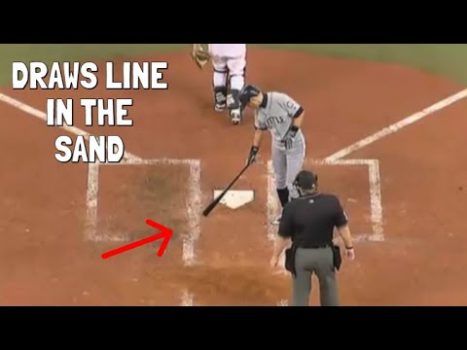
Modern criticism of umpires often focuses on officials who act as protagonists rather than neutral arbiters. One of the most frequently cited examples remains the 2014 confrontation between Laz Diaz and the Yankees, where Diaz utilized a “Mutumbo” finger wag and dismissive “shooing” gestures to eject pitcher Shawn Kelley and manager Joe Girardi. Such antics are often viewed as a failure of an umpire’s primary responsibility to de-escalate tension. This volatile history includes other infamous moments, such as Brett Lawrie’s 2012 helmet-toss at umpire Bill Miller, as well as the recurring, aggressive ejections associated with long-tenured officials like Bob Davidson and Angel Hernandez.
Critics argue that such antics represent a failure of the umpire’s primary duty: to de-escalate conflict rather than instigate it.
The Technological Response
The move toward the ABS system is designed to remove human volatility from the most contentious aspect of the game: the ball-strike count. By testing “robotic umpires” in the Low-A Southeast League, MLB is signaling that the era of relying solely on a home plate umpire’s personal strike zone may be coming to a close. This shift directly addresses the “showing up” of players that has plagued the sport’s reputation, aiming to sanitize the game by replacing subjective human calls with consistent, sensor-based data. For the league, the data collected during these trials is the primary metric that will determine the feasibility of a broader, professional-level rollout.
Legal Hurdles and Performance Standards
MLB has solidified its authority to manage its officiating roster through objective metrics, effectively shielding itself from claims of bias. The ruling on March 31, 2021, which dismissed Angel Hernandez’s discrimination suit, established that the league’s decision to exclude certain officials from marquee assignments like the World Series is based on measurable accuracy. This legal validation gives MLB the necessary leverage to continue evaluating umpires under a rigorous data-driven lens, further diminishing the influence of subjective personality-based officiating.
While the league reviews the baseball officiating data, the immediate focus remains on whether the ABS system can curtail the volatile outbursts seen recently, such as the May 24 incident in the Dominican Republic involving Elvis Lebron.







WingChun Man (172Lbs) Tests Little MMA Fighter (146Lbs)
UFC President Dana White Addresses Coronavirus Impact on UFC Events
Did U.S. Soccer make things worse by claiming to pay women more than the men? | High Noon
UFC 251: Jorge Masvidal Post-fight Press Conference
Fans react to NASCAR crash on last lap of Daytona 500