

 InfoSearched
Elite mixed martial artists are increasingly integrating the efficient, close-quarters principles of Wing Chun to dominate inside the UFC octagon.
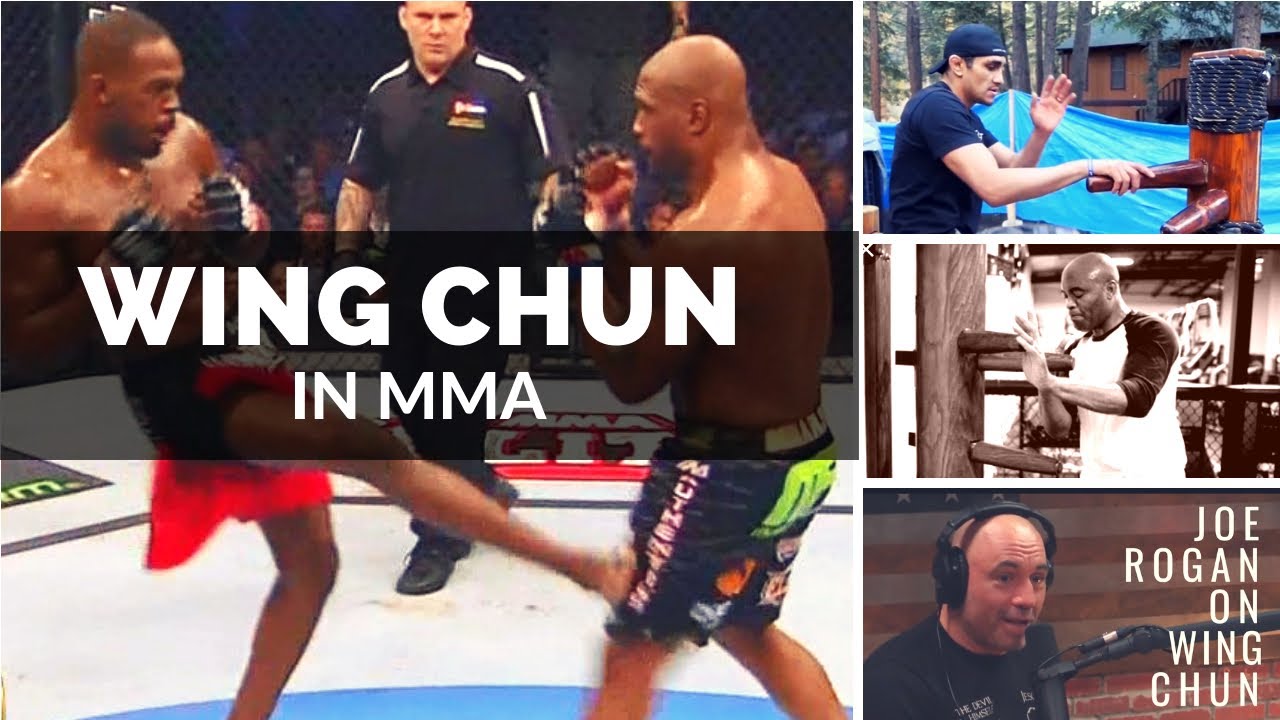
While historically categorized as a non-competitive self-defense art, Wing Chun’s emphasis on direct action, spatial control, and simultaneous attack and defense has gained traction among elite combatants. Athletes like Tony Ferguson, Anderson Silva, and Jon Jones employ these specialized concepts to disrupt opponents in close-quarters, bridging the gap between traditional Kung Fu and the high-stakes demands of modern professional fighting.
- Tony Ferguson, a former Interim Lightweight Champion, utilizes the muk yan jong (wooden dummy) during his fight camps to sharpen his trapping-based tactics and relentless forward pressure.
- Anderson Silva integrated Wing Chun and Jeet Kune Do principles under the guidance of Dan Inosanto, utilizing hand-trapping and short-range strikes to dismantle opponents such as Stephan Bonnar in 2012.
- Jon Jones uses the oblique kick—a linear, Wing Chun-style strike—to target the lead knee, effectively compromising an opponent’s mobility and maintaining distance.
The Mechanics of Close-Quarters Control
The integration of Wing Chun into professional mixed martial arts centers on the system’s focus on the centerline and efficient movement. Rather than relying on traditional boxing rhythm, these fighters maintain constant forward pressure, which serves to stifle an opponent’s output and disrupt their rhythm. This specialized application allows practitioners to control the clinch and execute rapid, disruptive strikes that often bypass conventional defensive postures.
“If you really know your sh*t, Wing Chun works inside the cage.”
Strategic Integration by Top Fighters
Elite fighters have adapted these concepts to suit their distinct physical profiles. Jon Jones employs the oblique kick as a staple of his arsenal to keep opponents at bay, while his use of wrist-trapping frequently sets up short-range elbow strikes. Anderson Silva similarly incorporated hand-trapping and sensitivity training, using the wooden dummy to refine the ability to control the centerline. Sifu Adam Williss, a 7th-generation Ip Man lineage holder and founder of The Dragon Institute, has identified these athletes as prime examples of how traditional principles can be weaponized within the Octagon.
The Evolution of Modern MMA Philosophy
The movement toward Wing Chun techniques reflects a shift away from singular-discipline reliance in cage training. By focusing on direct, linear action, fighters create a more volatile striking profile that forces opponents to contend with unconventional angles and immediate, disruptive pressure. This adaptability provides a tactical edge, specifically for athletes who utilize these mechanics to negate the traditional rhythm of their opponents during high-level competition.
With Tony Ferguson currently set to headline UFC 249, the focus turns to whether his reliance on the wooden dummy for trapping will be enough to neutralize the aggressive, heavy-handed style of Justin Gaethje when they meet in the center of the Octagon.





A New Undefeated Matrix Fighter – Box Master MMA Petr Yan
Scottie Pippen & Dennis Rodman: Our Bulls would have gone 50-0 during the lockout season
The Punch That Terrified Everyone!
The NBA has decided to suspend the season due to the coronavirus
Tom Brady Shows His Gym and Fridge | Gym & Fridge | Men’s Health