

 InfoSearched
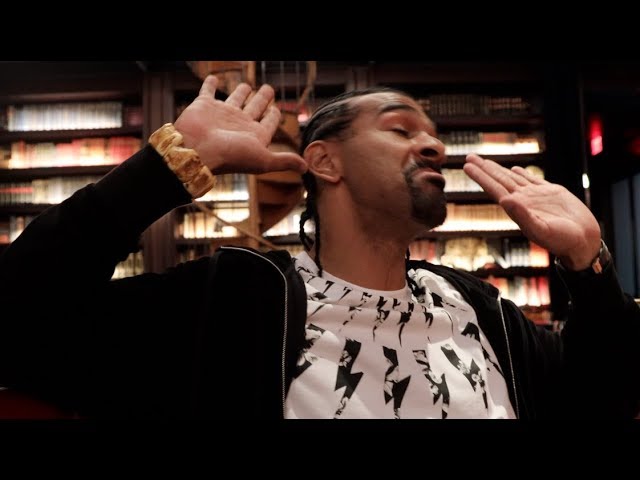
David Haye revisits his pre-fight predictions following the definitive heavyweight result in Las Vegas.
Former world champion David Haye has publicly reassessed his outlook on the heavyweight division after witnessing Tyson Fury’s dominant seventh-round TKO victory over Deontay Wilder. The bout at the MGM Grand on February 22, 2020, forced a shift in perception among analysts who had previously doubted the Briton’s ability to force a definitive conclusion against the American power puncher.
- David Haye openly acknowledged his miscalculation regarding the outcome, stating, “I was so wrong.”
- Fury’s tactical aggression, which included two knockdowns and a corner stoppage, defied the pre-fight expectations of many experts.
The Impact of Public Reassessment
In high-stakes sports commentary, the admission of a flawed forecast functions as a critical acknowledgment of the sport’s unpredictability. For analysts and former fighters like Haye, the ability to pivot after a failed prediction demonstrates a commitment to objective observation. Such admissions are frequent in Boxing and MMA, where the volatility of the heavyweight division often forces pundits to reconcile their expectations with the harsh reality of the ring.
“I was so wrong.”
The Evolution of Heavyweight Analysis
The failure to anticipate the shift in Fury’s fighting style is a central theme in the post-fight discourse. Following the Tyson Fury vs. Deontay Wilder 2 encounter, the boxing community has had to recalibrate its understanding of how Fury’s size and tactical pressure can systematically dismantle a traditional knockout artist. This reassessment moves beyond simple wins and losses to examine the tactical adaptation shown by Fury throughout the fight.
Professional Accountability in Combat Sports
Admitting an error in judgment separates authoritative commentary from static bias. By taking ownership of his previous stance, Haye aligns his analysis with a standard of transparency that prioritizes the actual performance seen in the rematch. This approach ensures that future critiques of championship-level bouts remain grounded in the physical reality of the athletes’ conditioning and execution rather than pre-fight reputation.
Wilder has until the end of March to formally trigger his contractual rematch clause, which would necessitate a third meeting to settle the score while Fury eyes potential unification bouts against Anthony Joshua later in the year.



ANDY RUIZ REVEALS WHAT HE TOLD ANTHONY JOSHUA DURING FACE OFF!
Anthony Joshua vs Andy Ruiz 2 Full Fight
Father stops mid-interview to celebrate after son hits MLB home run
Prelude to UFC 249: Khabib Nurmagomedov vs Tony Ferguson – Episode 2 (The Press Conference)
A New Undefeated Matrix Fighter – Box Master MMA Petr Yan